
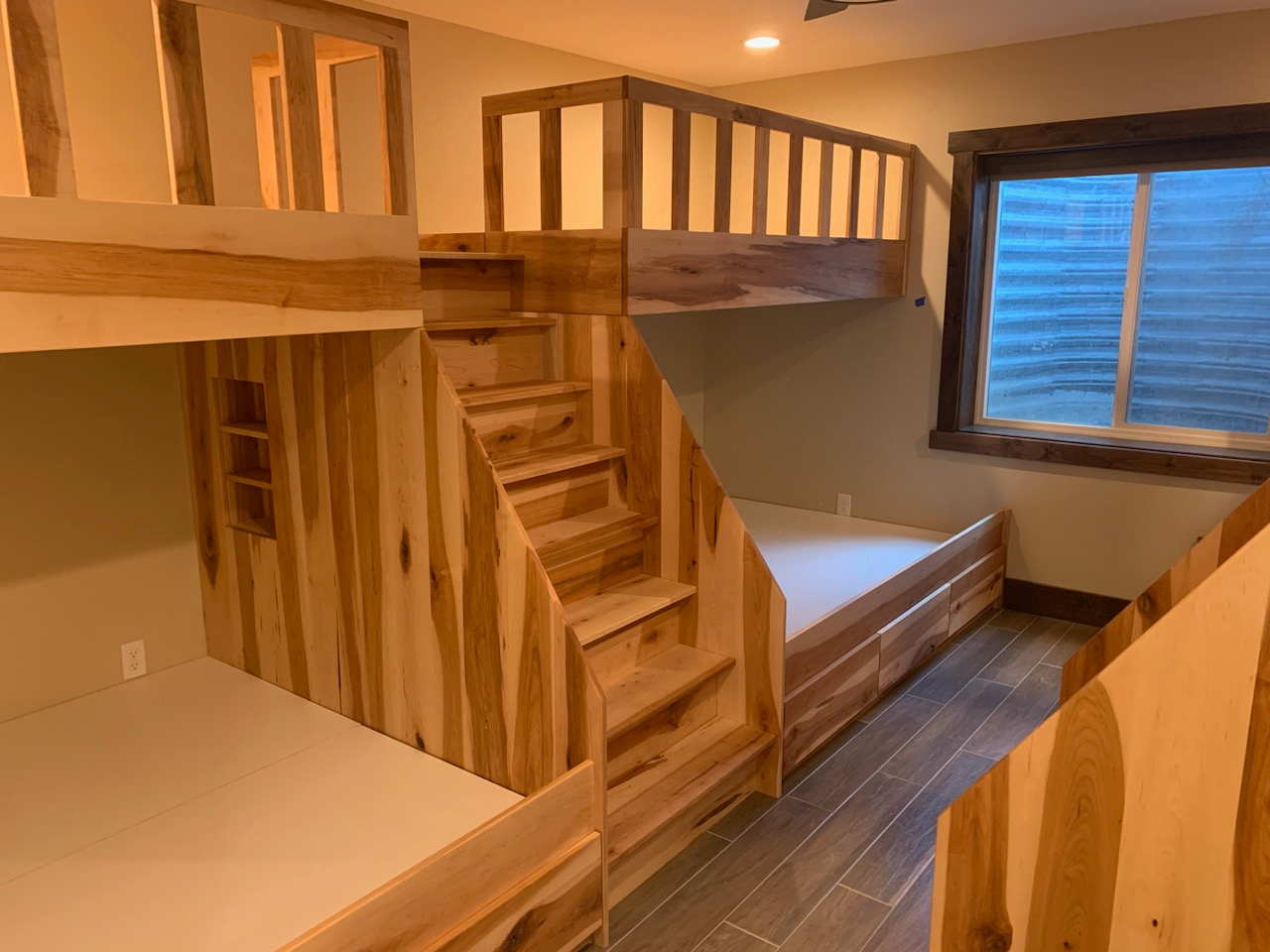
How to Tell If Your Cabinets Were Installed Correctly
If you're wondering whether your kitchen or bathroom cabinets were installed correctly, there are several telltale signs of poor cabinet installation you can check yourself right now. A properly installed cabinet should hang level, close smoothly, and sit flush against your walls—but many homeowners across the Wasatch Front discover problems months or even years after installation. Knowing what to look for can help you catch issues early and decide whether you need professional help from a cabinet installation expert in Salt Lake City.
Doors and Drawers Don't Close Smoothly
One of the most obvious signs of poor cabinet installation is difficulty opening and closing doors and drawers. If you have to lift, push, or wiggle a door to get it to close properly, something went wrong during installation. This usually means the cabinet frame is out of square or the hinges weren't adjusted correctly.
Pay attention to how the doors align with each other. There should be a consistent, even gap between cabinet doors. If one door is higher, lower, or sits too far forward compared to its neighbor, that's a red flag. Similarly, drawers should glide smoothly without sticking or requiring extra force. These issues don't just affect convenience—they can lead to premature wear on hinges and hardware.
Visible Gaps Between Cabinets and Walls
Walk around your kitchen or bathroom and look carefully at where the cabinets meet your walls. There should be minimal gap, and what gap exists should be consistent. Large, uneven gaps are a classic sign of poor cabinet installation and usually mean the cabinets weren't properly shimmed during installation.
Shimming is the process of using thin shims to adjust cabinets so they sit perfectly level and plumb against uneven walls—which are common in older Utah homes. If this step was skipped or done incorrectly, you'll see obvious spaces where light peeks through. Beyond the cosmetic issue, gaps can allow dust and debris to accumulate behind your cabinets, and they can make the whole installation look unprofessional.
Cabinets Are Visibly Unlevel or Tilted
Use a simple level tool on your cabinet's top surface. A properly installed cabinet should be perfectly level from side to side and front to back. If your level shows the cabinet tilting in any direction, that's a problem. You might also notice this visually—liquids inside the cabinet might not sit naturally, or items roll to one side when you place them down.
Unlevel cabinets can cause doors to swing open or closed on their own, stress the frame, and create alignment problems with adjacent cabinets. This is especially important in custom cabinet installations, where precision matters for functionality and appearance.
Shelves Sag or Feel Unstable
Open your cabinet doors and examine the shelves inside. Shelves should be completely straight and feel solid when you press down on them gently. If shelves sag in the middle, bow, or feel wobbly, that indicates poor support or inadequate fastening during installation. This is more than just a cosmetic issue—sagging shelves can fail under weight and potentially damage items or create a safety hazard.
Check that all support brackets or dowels are securely fastened. If you can wiggle or move a shelf easily, the mounting hardware wasn't installed properly.
FAQ: Cabinet Installation Questions
A: Minor adjustments to doors and hinges can sometimes be made at home with an Allen wrench, but structural issues like unlevel framing should be assessed by a professional. It's worth getting a proper evaluation rather than creating more problems.
A: Most installation issues become apparent within the first few weeks of use. However, some problems like sagging shelves develop gradually over months. Don't wait if you notice anything unusual—address it sooner rather than later.
A: Utah homes often have unique challenges like uneven walls, settling foundations, and older construction. Quality installation requires experience with these regional factors and proper shimming techniques.
A: If your cabinets are under warranty, contact the original installer first. If you're starting fresh or need a second opinion, a reputable cabinet installation company can assess the damage and discuss your options.
Ready for help? Whether you're dealing with installation problems or planning a new cabinet project, contact Caveman Cabinetry today. We serve homeowners throughout Utah and the Wasatch Front with expert cabinet installation and repair solutions.